
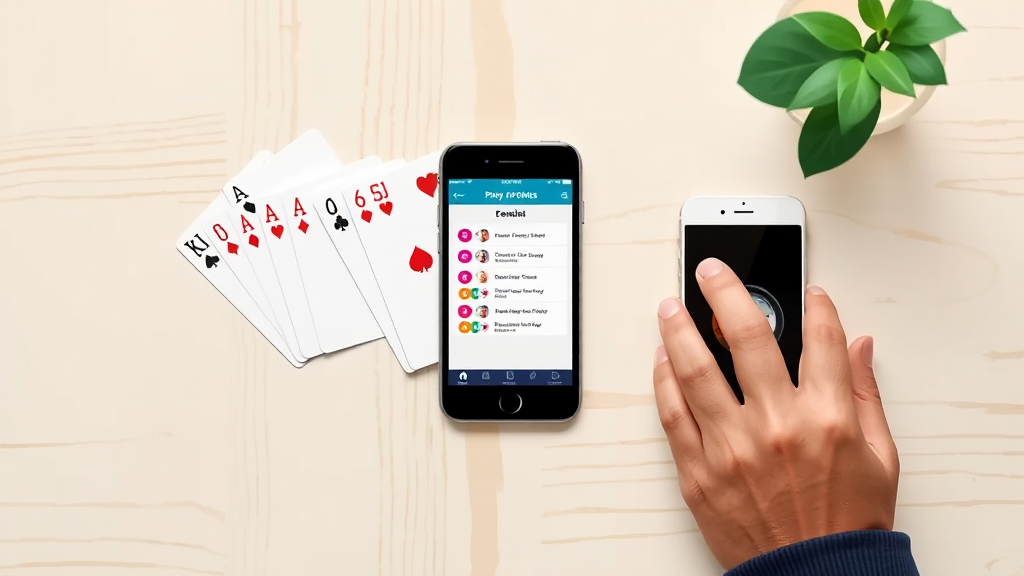
First Time Play Rummy Game: A Beginner’s Roadmap to Safe, Smart Play
If you have never touched an online card table before, the idea of sitting down for your First Time Play Rummy Game can feel like walking into a room where everyone already knows the rules. The good news is that rummy is one of the most beginner-friendly card games in the world, and the online version is built to guide new players step by step. This guide is written for absolute beginners in India who want to understand what rummy is, how a first session usually unfolds, and how to choose an app without getting overwhelmed by bonuses, pop-ups and download buttons.
Rummy is a skill-based card game where you arrange cards into sets and sequences. You are not betting against the house in a random draw; you are managing information, memory and probability. That is why so many players treat it as a mental workout rather than pure luck. Before you register anywhere, it helps to slow down and learn the basic flow, because a calm first session teaches you more than ten rushed ones.
What Rummy Actually Is (Without the Confusion)
At its core, rummy is about grouping cards. A set is three or four cards of the same rank but different suits, such as 7 of hearts, 7 of spades and 7 of clubs. A sequence is three or more consecutive cards of the same suit, like 4, 5 and 6 of diamonds. A pure sequence has no joker involved, while an impure sequence uses a joker to fill a gap.
In the most common 13-card format, each player receives thirteen cards and the goal is to arrange all of them into valid sets and sequences. You draw one card and discard one card on each turn. The first player to complete a valid arrangement and declare wins the hand. There are variations such as 21-card rummy and different point systems, but the underlying logic stays the same.
What surprises most beginners is how much of the game happens in your head. You are tracking which cards have been discarded, guessing what your opponents might be collecting, and deciding whether to hold a card that could complete a sequence later. It is a gentle but real mental challenge, and that is a big part of why the game has stayed popular for generations.
Getting Ready Before You Register Anywhere
The single most useful habit for a new player is to prepare before signing up. Most Indian rummy platforms require you to be at least 18 years old, and many involve real-money play, so the decision deserves a few minutes of clear thinking rather than a tap on the first flashy banner you see.
Start by writing down what you actually want from the game. Are you here to learn the rules casually, or do you want to play seriously over time? Your answer changes which app suits you. A beginner who wants to learn should look for a clean interface, a practice or free-play mode, and clear tutorials. A player who already understands the basics may care more about withdrawal speed, table limits and tournament formats.
Next, check the practical details that are easy to ignore in the excitement of a first download:
- Is the app available from a trusted source, and does the download page look professional?
- Are the bonus terms written in plain language, or buried in fine print?
- What are the withdrawal conditions, minimum amounts and processing times?
- Does the platform offer responsible-play tools such as deposit limits or time reminders?
- Are customer support channels responsive and easy to reach?
This is exactly the kind of comparison work that saves beginners from frustration later. Reading independent reviews and side-by-side breakdowns before you commit helps you avoid apps that look attractive on the surface but create problems at withdrawal time.
Your First Session: A Simple Step-by-Step Walkthrough
Once you have chosen a platform, your first game should feel structured rather than chaotic. Here is how a typical beginner session unfolds.
Step 1: Understand the table layout. You will see your thirteen cards, a closed deck, an open discard pile and the discard button. Take a moment to locate each element before you act.
Step 2: Sort your cards. Group similar suits together and look for obvious sequences. Most apps sort automatically, but manually scanning your hand helps you remember what you have.
Step 3: Draw a card. You can pick from the closed deck or the open discard pile. Beginners often prefer the closed deck early on because it keeps their intentions hidden.
Step 4: Discard a card. Remove the card that helps you least. Avoid discarding cards that could complete a sequence you are already building.
Step 5: Watch the discard pile. Every card your opponents throw away is information. If you see three 9s discarded, you know the fourth is unlikely to help you.
Step 6: Declare when ready. Once your hand forms valid sets and sequences, declare. If your declaration is wrong, you take penalty points, so double-check before you tap.
The first few hands will feel slow, and that is completely normal. Speed comes from repetition, not from rushing your first game.
Common Beginner Mistakes and How to Avoid Them
New players tend to make the same handful of errors. Knowing them in advance shortens your learning curve significantly.
Holding too many unrelated cards. Beginners often keep high-value cards hoping they will fit later. It is usually better to commit to a direction early and discard cards that do not support it.
Ignoring the discard pile. The discard pile is a live record of what is gone. Players who never look at it miss crucial clues about what is still available.
Chasing a single card forever. If you have been waiting for one specific card for many turns, the odds may not be in your favour. Flexible hands win more often than stubborn ones.
Declaring too early. A wrong declaration costs points. Take the extra second to confirm every group is valid.
Choosing an app based only on the welcome bonus. A large bonus with difficult conditions is worth less than a modest bonus with fair terms. Always read the conditions.
How to Compare Rummy Apps as a First-Timer
Because there are many platforms competing for attention, comparison is your best protection. Instead of trusting a single advertisement, build a small checklist and evaluate each app against it.
Look at four areas: bonus terms, payout reliability, download safety and player experience. Bonus terms tell you what you actually receive and what you must do to use it. Payout reliability covers withdrawal limits, processing speed and whether the process is clearly documented. Download safety means using official sources and checking that the app does not request unnecessary permissions. Player experience covers interface quality, table variety and support responsiveness.
Resources that compare rummy apps side by side can save hours of trial and error. A structured comparison lets you see how different platforms handle bonuses, payouts and safety in one place, so you can make a decision based on facts rather than marketing. This is especially valuable for a first-time player who does not yet know which features matter most.
Responsible Play from Day One
Rummy is entertainment, and it should stay that way. Set a personal limit before you start, whether that is a daily time limit, a spending limit, or both. Decide in advance what you are comfortable with, and treat that number as fixed.
Take breaks between sessions. Fatigue affects judgement, and tired players make poor decisions. If you notice yourself chasing losses or playing longer than planned, step away. Most reputable platforms offer tools such as deposit limits, session reminders and self-exclusion options, and using them is a sign of maturity, not weakness.
Remember that rummy involves real money on many platforms and is intended for adults aged 18 and over. If playing stops feeling enjoyable, or if it starts affecting your sleep, work or relationships, pause and seek support. A healthy approach to the game keeps it fun for the long term.
Building Skill Over Time
Your first game is just the beginning. As you play more hands, you will start recognising patterns: which cards are likely to be discarded, when to switch strategies, and how to read the pace of a table. Practice modes are excellent for this because they let you experiment without pressure.
Review your losses as carefully as your wins. Ask yourself what you could have discarded differently or when you should have changed direction. Over weeks, these small reflections compound into genuine skill. Rummy rewards patience and observation far more than impulsive play.
Frequently Asked Questions
Is rummy difficult to learn for a complete beginner?
No. The basic rules can be understood in a single sitting. The challenge is not the rules but developing the judgement to know which cards to keep and discard, and that improves with practice.
How old do I need to be to play rummy online in India?
Most platforms require players to be at least 18 years old, and many involve real-money play. Always check the age and eligibility rules on the specific platform before registering.
Should I choose an app based on the biggest welcome bonus?
Not on its own. A large bonus with strict conditions can be less valuable than a smaller bonus with fair terms. Compare bonus conditions, payout reliability and download safety together.
Can I practise rummy without spending money?
Yes. Many platforms offer free or practice tables where you can learn the flow, test strategies and build confidence before playing with real money.
What is the most common mistake first-time players make?
Holding onto too many unrelated cards and ignoring the discard pile. Committing to a direction early and watching what opponents discard are two habits that improve results quickly.
Final Thoughts
Your first time playing rummy does not have to be intimidating. Learn the basic structure, prepare before you register, choose your platform carefully, and treat the game as a skill to build rather than a shortcut to quick results. If you take the time to compare apps properly and play responsibly, your first session becomes the foundation of a genuinely enjoyable hobby.
Leave a Reply