
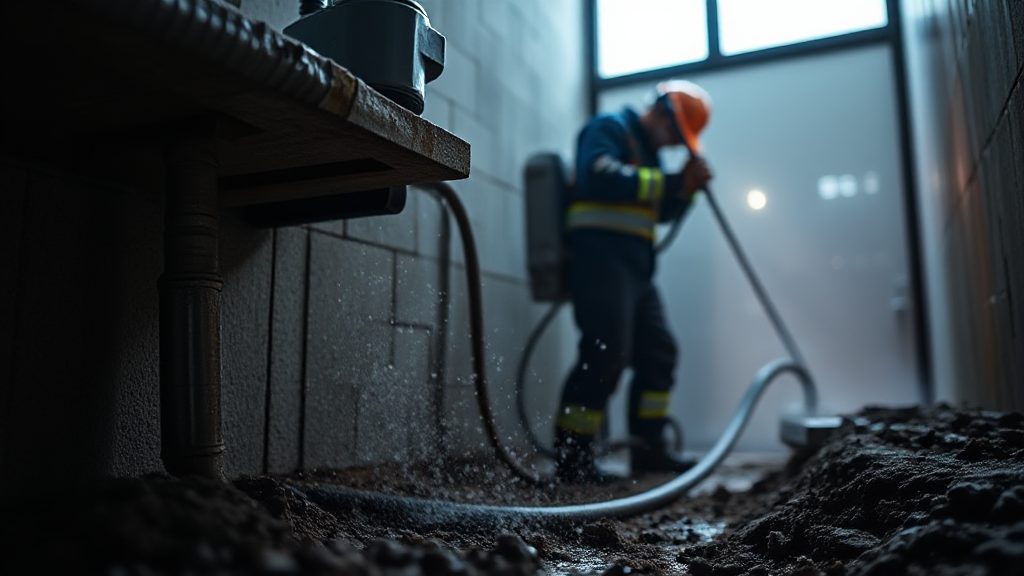
When Standard Drain Cleaning Fails: Choosing a desentupidora Barra Funda vs. DIY Methods
The most common mistake people make when a drain backs up is reaching for a plunger or a bottle of chemical cleaner and assuming the problem is superficial. In many cases, that approach buys a few hours of relief before the blockage returns stronger. If you live or manage property in this central São Paulo neighborhood, the smarter first step is to understand when a desentupidora Barra Funda should take over instead of repeating the same temporary fix.
This is a comparison for cautious clients: what the usual method actually does, where it stops working, and what a professional service changes about the outcome. The goal is not to sell you a call you do not need, but to help you recognize the point where continuing alone becomes expensive.
Why the Usual Method Stops Working in Barra Funda Properties
Barra Funda mixes older residential buildings, renovated commercial spaces and busy ground-floor units near transport corridors. That variety matters because the plumbing behind each facade is different. A 1970s apartment stack, a converted warehouse drain and a modern condominium line do not clog for the same reasons, and they do not respond to the same tools.
The usual method — plunger, hot water, or a supermarket chemical — addresses soft, recent clogs near the drain mouth. It does not remove grease that has hardened on pipe walls, roots that have entered a cracked joint, or scale that has narrowed the line over years. When those conditions exist, the blockage simply migrates or rebuilds.
What DIY and chemical products actually reach
A plunger creates pressure to dislodge a local obstruction. A hand auger can reach a short distance into a trap. Chemical cleaners dissolve organic film but struggle with solid debris, and repeated use can damage older seals and PVC joints. None of these tools can inspect the pipe or confirm that the passage is fully clear.
That is the critical limitation: the usual method works blind. You know water drains again, but you do not know why it stopped or whether the same cause is still present. For a cautious client, that uncertainty is the real cost.
Signs the problem has moved beyond a surface clog
- Water returns in more than one fixture at the same time, suggesting a shared line.
- Gurgling sounds come from other drains when you run water.
- Slow drainage returns within days of a DIY attempt.
- Unpleasant odors persist even after cleaning the visible drain.
- Backups appear in floor drains, laundry areas or low-level bathrooms.
Multiple fixtures backing up together is the clearest signal that the obstruction sits deeper in the building’s network. At that point, repeating the home method wastes time and can push wastewater into places you do not want it.
What a Professional desentupidora Barra Funda Changes About the Outcome
A professional service brings three things the usual method cannot: diagnosis, mechanical force matched to the pipe, and verification. The technician first identifies where the blockage is and what it is made of, then selects the tool. That sequence prevents the common mistake of applying too much force to a fragile line or too little to a hardened obstruction.
For a cautious client, this is the practical difference between guessing and knowing. The service should explain what was found, what was removed and what to watch for afterward. If a provider cannot describe the cause, the job is not finished.
Hydrojetting versus mechanical augers
Mechanical augers cut through roots and solid blockages, while hydrojetting uses high-pressure water to scour grease, scale and sediment from the pipe walls. The right choice depends on pipe material, age and the nature of the clog. A desentupidora Barra Funda São Paulo SP team should be able to explain which method fits your line rather than applying one tool to every call.
| Method | Best for | Limitation |
|---|---|---|
| Plunger / chemical | Soft, recent clogs near the drain | Blind; no inspection; can damage old seals |
| Mechanical auger | Roots, solid debris, traps | May leave wall residue behind |
| Hydrojetting | Grease, scale, sediment on pipe walls | Requires suitable pipe condition |
| Inspection camera | Confirming cause and pipe integrity | Diagnostic step, not a cleaning method |
Emergency response and what it includes
Backups rarely happen at a convenient hour. A reliable emergency service should confirm arrival time, explain the likely cause by phone if possible, and bring equipment suited to a residential or commercial line. For condominiums, the technician should coordinate with the síndico or building manager so the affected units are informed and the source is isolated correctly.
Emergency work is not only about clearing the pipe. It is also about containing the mess, protecting nearby areas and confirming that the system drains properly before leaving. Ask what the visit covers before you agree to it.
How to Compare Providers Without Overpaying or Under-Servicing
Price alone is a poor guide. A very low quote often excludes inspection, proper equipment or a follow-up check, which means the same blockage returns and you pay twice. A cautious comparison looks at scope, method and accountability rather than the headline number.
Start by asking what the technician will do if the first method fails. A provider with a clear escalation path — from auger to hydrojetting to camera inspection — is better prepared than one who promises a single fix for every situation.
Questions worth asking before you book
- Will you identify the cause before cleaning, or only clear the line?
- Which equipment do you carry for older pipes and shared building lines?
- Is the visit priced by service or by time, and what is excluded?
- Do you provide a written description of what was found?
- What should I do if the same drain slows again?
A provider who welcomes these questions is usually the one who will document the work. Vague answers about method or scope are a warning sign, especially for condominium managers who need records for maintenance planning.
Preventive maintenance versus repeated emergency calls
Repeated emergency calls are a symptom of an unresolved cause. Grease buildup in a commercial kitchen line, sediment in an old residential stack or root intrusion in a garden drain will keep returning until the underlying condition is addressed. Preventive maintenance — scheduled cleaning and periodic inspection — costs less over a year than three or four emergency visits.
For buildings, a maintenance plan also protects common areas and reduces disputes between units over who is responsible for a backup. That is a management benefit, not just a plumbing one.
When to call a desentupidora em Barra Funda São Paulo SP immediately
Call without delay if wastewater is rising in multiple fixtures, if a floor drain in a low area is backing up, or if you smell sewage in a room that was previously fine. These patterns point to a shared or main line issue that home methods cannot safely resolve. Waiting allows the problem to spread and increases the cleanup cost.
If the backup is isolated to one sink and clears fully with a plunger, you can reasonably monitor it. The moment it returns, stop repeating the same method and arrange an inspection.
Frequently Asked Questions
Can chemical cleaners make the problem worse?
They can. Repeated chemical use may corrode older seals and joints, and it does not remove solid debris or roots. If a drain keeps slowing after treatment, the cause is deeper than the product can reach.
How do I know whether I need hydrojetting or an auger?
The choice depends on what is blocking the pipe and its condition. Grease and scale respond to hydrojetting, while roots and solid objects usually require mechanical cutting. A professional assessment should determine this before work begins.
Is emergency service available at night for Barra Funda buildings?
Reputable providers offer 24-hour emergency response for residential and commercial properties. Confirm the arrival window and what the visit includes when you call, especially for condominiums that need to notify residents.
How can a síndico reduce recurring backups?
Schedule periodic cleaning of shared lines, keep records of each service, and address small slow-drain reports before they become backups. Preventive maintenance on common areas is usually cheaper than repeated emergency intervention.
Leave a Reply